Passport Photos was borne of the collective experience of Syrian displacement, which saw a huge spike in 2014 - the same year they were produced. Kiwan paints in minute details the entry and exit stamps on his Syrian passport and uses a collage of stamps, which he photographed, resized, reprinted, and stuck on his canvas. In other paintings in this series he used his Syrian friends living in Lebanon at the time as subjects, each carrying their own stories about attempts to exit either by immigrating or seeking asylum abroad; escaping forced conscription in the army or various types of persecution; the suffering created by their administrative and legal status; or even simply looking for a place to stay. The stamps simply serve as witness to the shared experience of millions of Syrians whom Lebanon served as a lifeline, a place for a short stop while in transit, and sometimes a place of waiting, either to return or to continue their exodus away from Syria. They also provide a nod the close-knit relationship between the two countries as the only two stamps that appear are the Syrian stamp (Jdayde border crossing) and the Lebanese stamp (Masnaa border crossing).
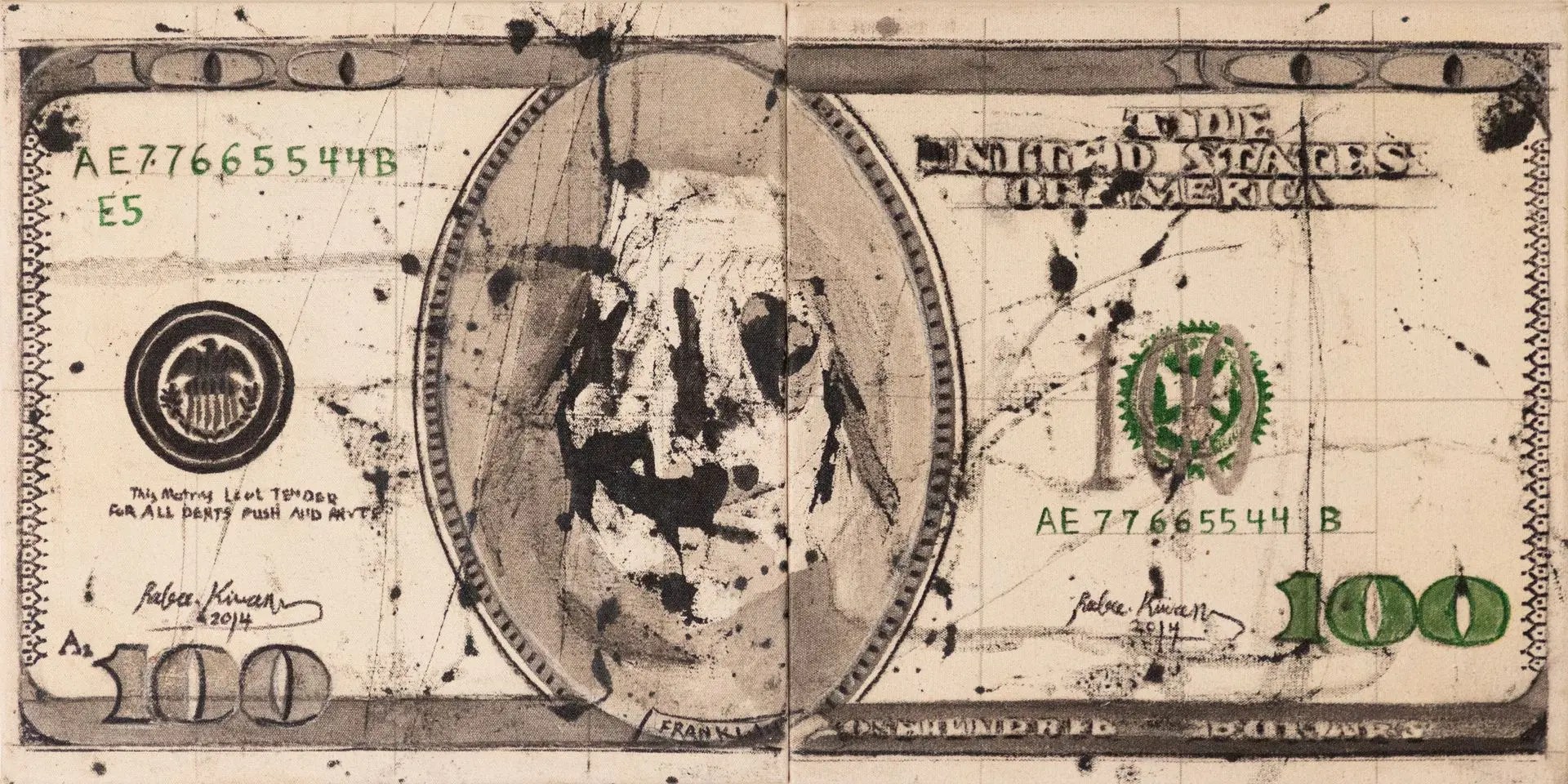 Photo credit: Hussam Hasan
These works were first exhibited as part of Rabee Kiwan’s solo exhibition Passport Photos at Lab 44 / art contemporian in 2015 and in europia Gallery in 2016 in Paris, and then later as part the exhibition Paper identities organized by the French Institute of the Near East and the Institute of Political Science of Saint Joseph University (USJ) at Beit Beirut in 2019.
Then came the exhibition Paper identities after five years from the date of production of Passport Photos, which used the artworks in this series as well as other circumstantial works for a theoretical section to examine the question of nation and namely the formation of Lebanese national identity by shedding light on the administrative delivery of papers as a form of identity production and the social influence of the different administrative statuses (kafala, asylum, citizenship, and dual citizenship).
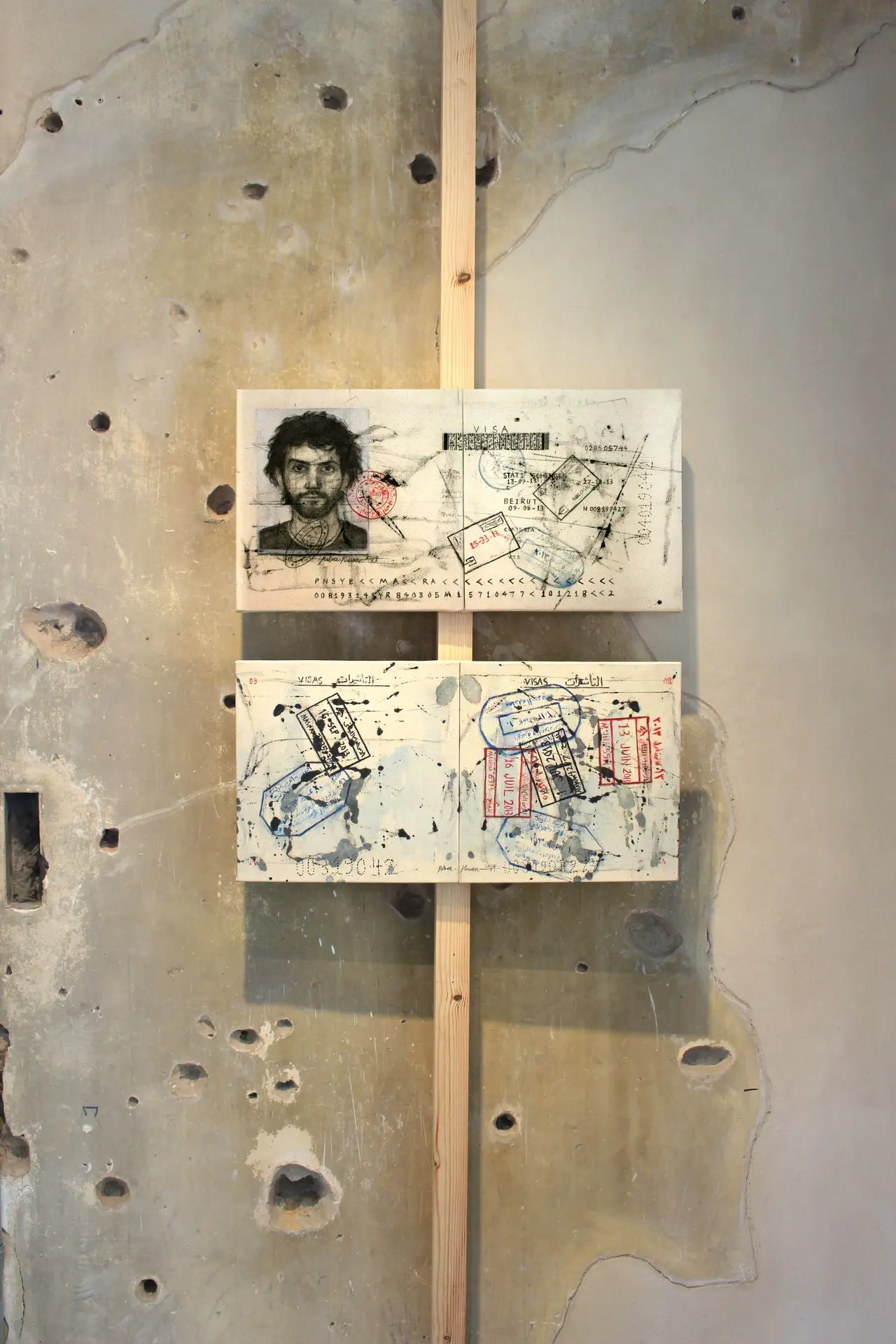
Photo courtesy of: Guillaume de Vaulx